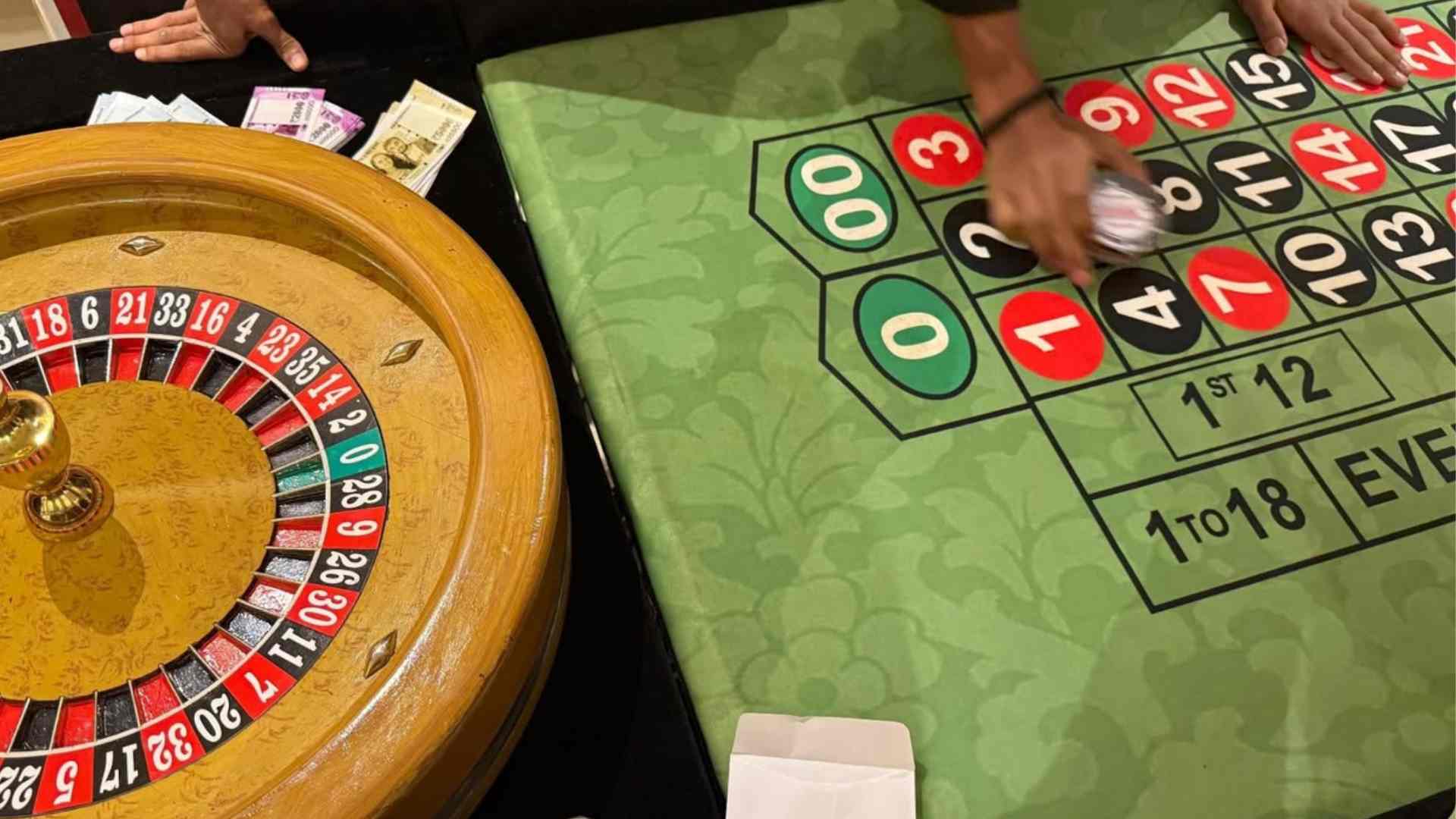
Navigating competitive environments requires a clear understanding of what drives success. While many individuals attribute their accomplishments or failures entirely to fortune, analyzing the underlying mechanics usually reveals a complex interplay between random occurrences and calculated decision-making. Dissecting how these elements function helps individuals make better choices across business, gaming, and personal development.
Defining the Role of Chance
Luck represents elements outside of an individual's direct control or influence. It introduces unpredictability into any scenario, creating unexpected windfalls or sudden obstacles regardless of prior preparation. Understanding this concept allows decision-makers to stay grounded and realistic when assessing immediate outcomes.
Because random events occur naturally, relying solely on good fortune creates an unstable foundation for long-term growth. Single events might produce positive results, but these outcomes cannot be consistently duplicated without deliberate effort.
The Nature of Strategic Planning
Strategy involves evaluating conditions, establishing objectives, and implementing structured actions to maximize favorable odds. It relies heavily on critical thinking, statistical analysis, and adaptability when circumstances shift unexpectedly. Through thorough preparation, individuals can effectively mitigate potential risks associated with uncertainty.
A well-crafted plan does not eliminate randomness, but it reduces vulnerability to negative surprises. Strategic thinkers focus on repeatable processes that yield consistent performance over extended periods.
How Skill and Fortune Intersect
In most dynamic environments, pure skill and complete randomness rarely exist in total isolation. Short-term performance often reflects random variances, whereas long-term trajectory is heavily dictated by strategic execution. Recognizing where luck ends and skill begins enables individuals to refine their approaches continuously.
For instance, enthusiasts exploring online gaming often look for a reliable platform via an m88 link alternatif terbaru to test their tactical skills against probabilistic mechanics. Balancing risk management with tactical execution ensures better consistency over time across various competitive fields.
Long-Term Consistency Versus Short-Term Anomalies
Short-term success can frequently mislead observers into confusing fortunate timing with genuine skill. A single positive outcome might obscure underlying strategic errors that will inevitably surface under repeated testing. Evaluating performance over extended sample sizes provides a much clearer picture of overall competence.
By tracking data and maintaining disciplined habits, individuals minimize the impact of transient luck. Sustainable success ultimately belongs to those who refine their strategy while remaining flexible enough to absorb unexpected shifts.