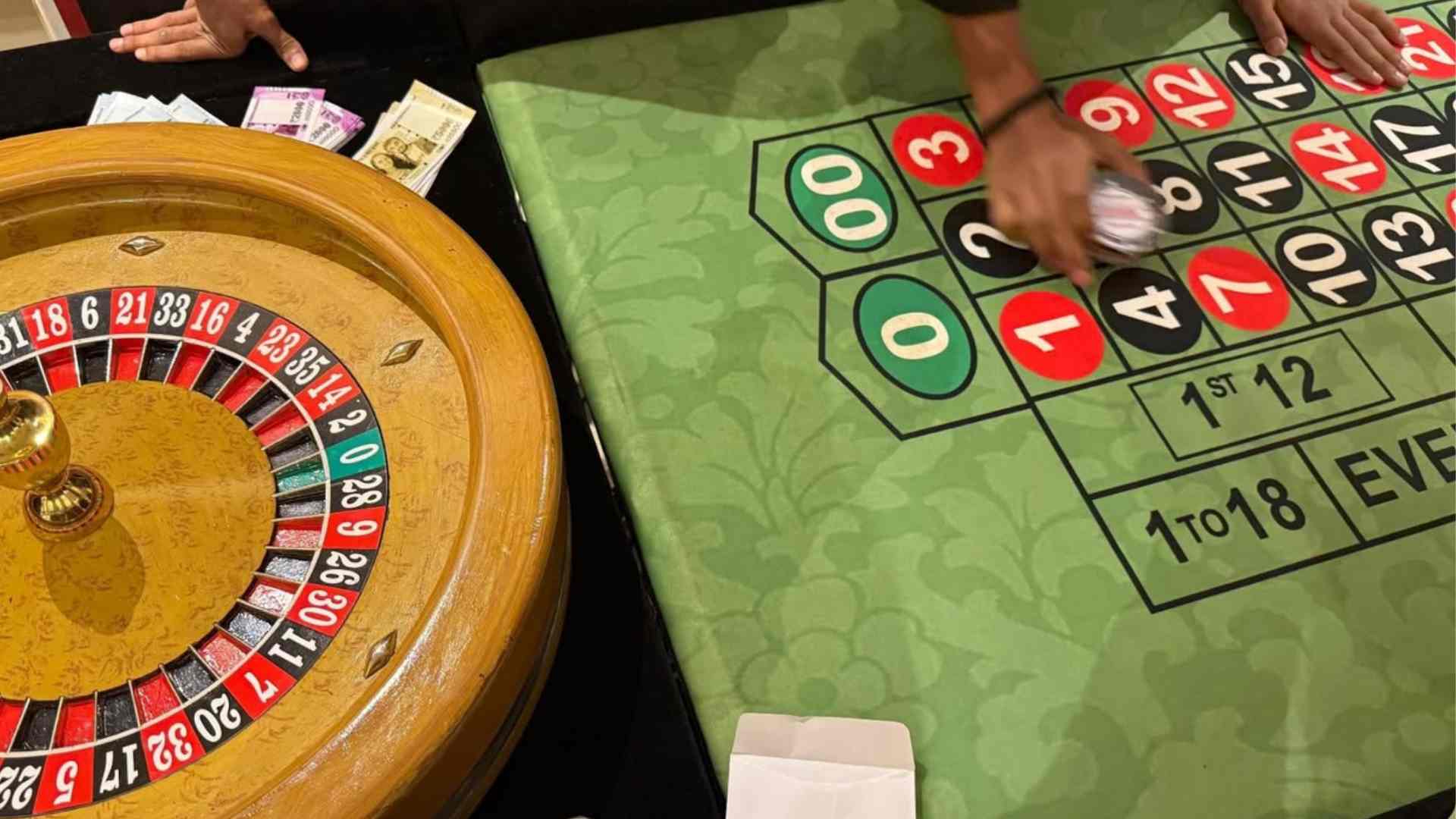
Millions of people around the globe purchase lottery tickets every week with the dream of striking it rich overnight. While the prospect of life-changing jackpots is captivating, winning remains an extraordinarily rare event determined entirely by statistical chance. Understanding how these games work and what the underlying probabilities actually reflect can help players maintain realistic expectations while enjoying the experience responsibly.
The Mathematical Reality of Lottery Probabilities
Every lottery drawing relies on random number generation or mechanical ball draws to ensure complete fairness. The odds of matching all required numbers to win a grand prize are typically one in several hundred million. Because each individual combination has the exact same statistical likelihood of being drawn, no specific set of numbers is inherently luckier than another.
Purchasing multiple tickets does mathematically increase your chances of winning, but the impact on overall probability remains miniscule. For instance, buying two entries instead of one doubles your odds, yet it shifts a astronomical ratio only imperceptibly. Players must realize that increased ticket volume rarely offsets the sheer mathematical advantage built into the game.
Common Strategies and Misconceptions
Many participants utilize strategies such as selecting birth dates, choosing frequent numbers, or following pattern systems on their play slips. While these methods make playing more interactive, they do not alter the statistical odds of the draw itself. Mathematical algorithms ensure that every combination drawn is entirely independent of past results.
Some players look toward broader gaming entertainment options like m88 sport to explore different types of probability-based activities online. Regardless of the platform or game format, outcome probabilities remain fixed by design. Recognizing that strategies affect ticket distribution rather than draw selection prevents reliance on faulty winning theories.
Smart Ways to Approach Lottery Participation
Joining a lottery pool or syndicate is one practical method to play more combinations without expanding your personal budget. By pooling funds with friends or colleagues, participants collectively buy more tickets and share any resulting winnings. Although potential payouts are split among members, this approach improves collective odds while limiting individual spending.
Another useful strategy is selecting randomly generated numbers rather than popular personal dates. Because many people pick numbers between 1 and 31 based on calendar days, shared combinations lead to split jackpots if those numbers win. Choosing higher numbers or using quick picks helps ensure that if you do win, you are less likely to share the prize.
Maintaining Responsible Play Habits
Treating lottery purchases purely as a form of casual entertainment is essential for maintaining financial safety. Setting a strict monthly allowance for tickets ensures that gaming expenses never interfere with essential living costs. Expecting to lose the stake allows players to enjoy the anticipation without suffering financial stress.
Ultimately, there is no secret formula or guaranteed shortcut to winning a major lottery jackpot. The real value lies in approaching the game with complete transparency regarding the mathematical odds involved. Responsible habits ensure that participation remains a fun, low-risk activity rather than a burdensome pursuit.