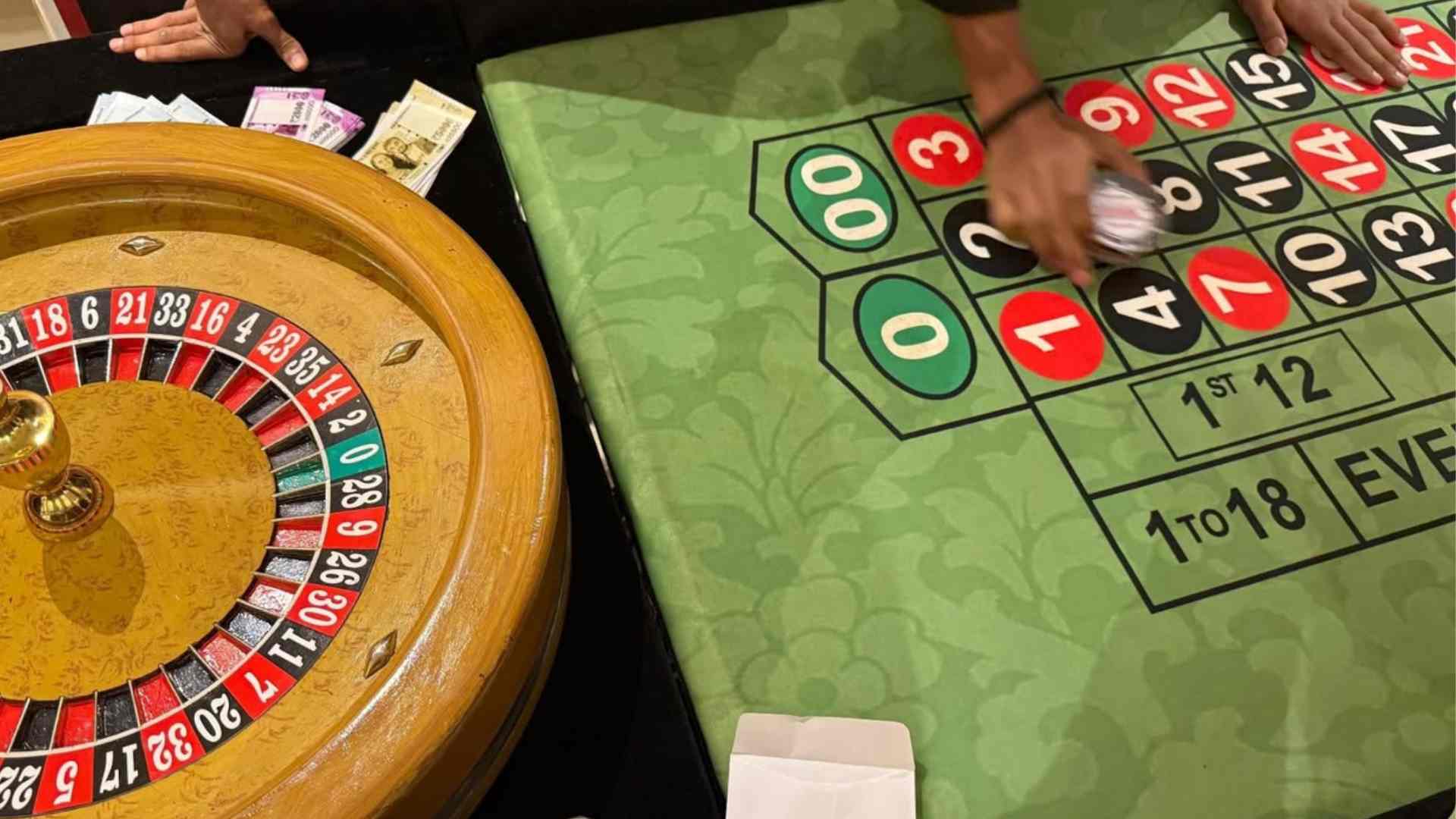
While standard card games are often associated with simple entertainment, certain advanced variations serve as excellent tools for mental conditioning. Exploring complex poker variants forces the brain to adapt to shifting rules, recalculate risks on the fly, and process incomplete information. Over time, practicing these diverse formats can significantly sharpen your analytical skills and improve your general decision-making processes under pressure.
The Strategic Depth of Omaha Hi-Lo
Omaha Hi-Lo is widely regarded as one of the most intellectually stimulating variants due to its unique split-pot format. Unlike traditional games where you only chase the highest hand, this version requires you to simultaneously evaluate your chances of winning both the high and low halves of the board. This dual-focus dynamic forces players to carefully calculate multiple mathematical probabilities in a matter of seconds.
Because each participant receives four private hole cards instead of two, the complexity of card combinations increases exponentially. Managing this wealth of information teaches players to avoid confirmation bias and look at every possible outcome objectively. For those looking to practice these intricate tactical elements in a dynamic online environment, utilizing a trusted gaming hub like M88 casino can offer an engaging platform to test your analytical boundaries.
Inverting Logic with Lowball Formats
Lowball variants like Razz or Deuce-to-Seven completely flip conventional hand rankings upside down by rewarding the lowest possible hand. This sudden shift in objectives forces players to rewire their typical strategic habits and approach hand evaluation from a completely different perspective. It teaches cognitive flexibility, which is the valuable mental ability to switch between entirely different rule sets with ease.
By forcing you to chase cards that would normally be considered useless, lowball games break repetitive mental patterns. This unique structure teaches players that value is highly contextual and depends entirely on the current rules of engagement. Developing this mindset is highly beneficial for real-world decision-making, where conditions and priorities can change rapidly without warning.
Testing Memory and Patience in Seven Card Stud
Unlike community card games where shared cards remain in the center, Seven Card Stud features a mix of face-up and face-down cards dealt individually to each player. This setup requires intense focus and memory as you must track which cards have already been exposed and folded throughout the hand. Failing to remember these folded cards can lead to severe mathematical errors when calculating your remaining outs.
The structured limit betting of this classic format also emphasizes extreme discipline and long-term patience over impulsive action. Because you cannot simply wager your entire stack to force opponents out, every single bet must be backed by precise mathematical reasoning. It trains players to accept slow, incremental advantages rather than relying on high-risk, high-reward maneuvers.
Enhancing Risk Assessment in Mixed Games
Mixed games rotate through several entirely different poker variants within a single session, requiring participants to constantly adjust their strategic mindsets. Successfully navigating these rotations prevents players from relying on autopilot and demands active cognitive engagement at all times. It is the ultimate test of versatility, ensuring that your decision-making remains sharp across diverse scenarios.
Encountering constantly changing rules teaches you to evaluate risks dynamically rather than relying on rigid, one-size-fits-all strategies. By forcing you to quickly assess new variables under time constraints, mixed games build a highly resilient framework for problem-solving. Ultimately, this mental agility translates into better decision-making capabilities in both casual gaming and high-pressure professional environments.